

Why do sector rotations happen in the stock market?
Understanding the logic behind risk-off rotations and how to benefit from them
I am often asked why rotations happen instead of managers simply going to cash.
The answer lies within investment mandates.
Many managers have to stay long equities with most of their AUM.
That means they can’t just sell down the entire portfolio and raise cash.
But, many mandates afford some flexibility. As a result, when managers become more defensive they’re likely to rotate instead of just selling.
Meaning you’ll see them switch their asset allocation preferences to parts of the market that are lower beta, often in areas that pay dividends.
Examples include utilities, healthcare and consumer staples.
That’s why on a day where the market leadership is red and even the indices are red you may see patches of green in the more defensive sectors and industries.
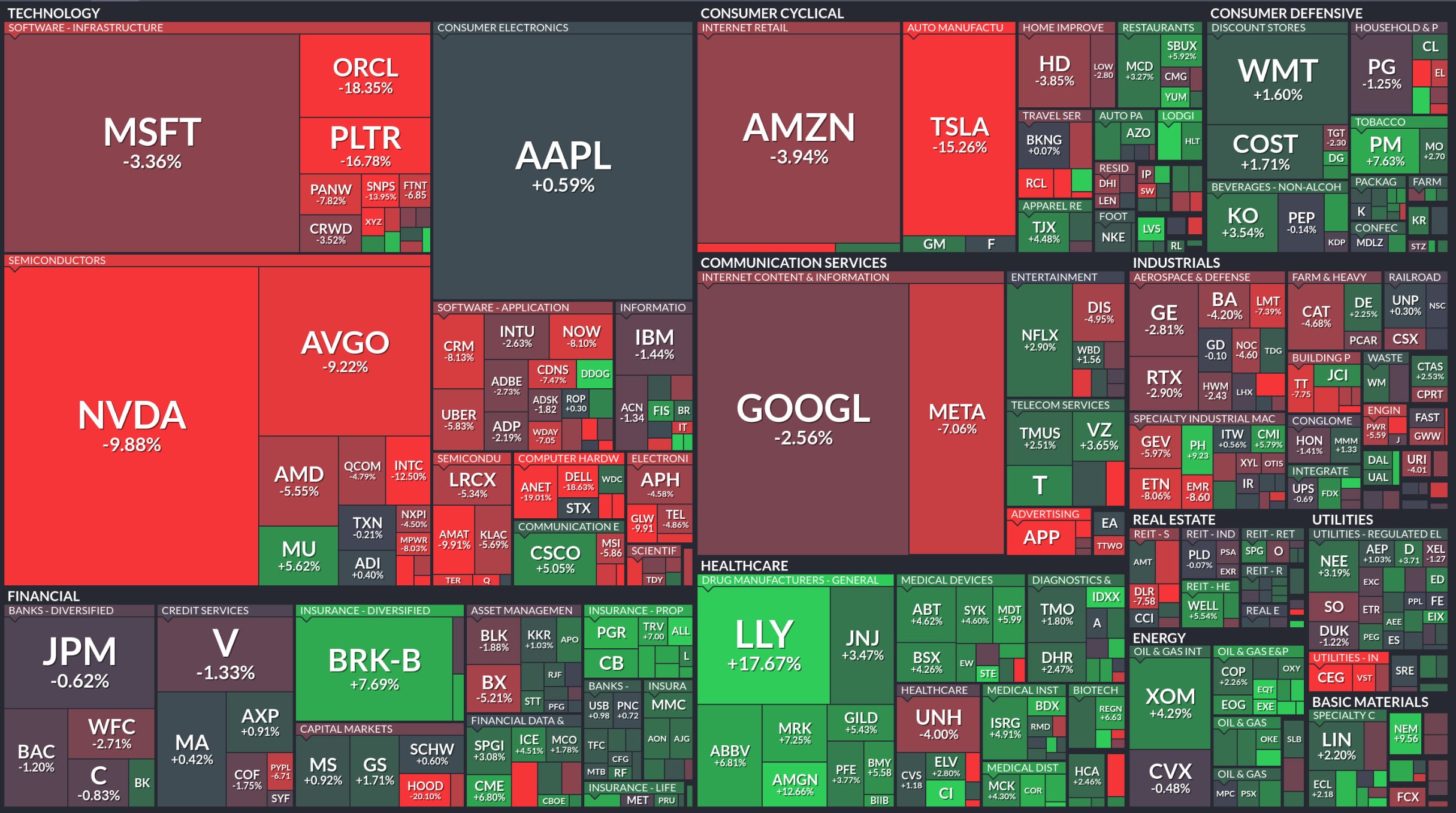
Often is the case that managed money is rotating their long equity exposure to be more defensive so as to minimize losses.
That’s why rotations tend to happen and also why they can offer us, as smaller traders and investors, potential opportunities.
If you are a large asset manager you can’t rotate your portfolio to be more defensive in a day or even a week. It can take quite a lot of time.
While that hand-off is happening there is typically weakness in high beta stocks and strength in low beta high-dividend payers.
This sets up pair trades, like long SPHD and short SPHB (equal size, re-balanced weekly) to benefit from the risk-off rotation.
That concludes my Ted Talk on rotations. I hope you learned something new today! If you have any questions let me know.
Want to support my other work? Here’s a quick list!